
Global accounts built for ambitious businesses
Everything you need to grow globally in a single platform.
- Finance
- London
- Between 250 and 2,000 employees


Unified software intelligence platform for observability and AIOps.


Objets de luxe artisanaux et créatifs.


Services dédiés aux constructeurs automobiles et acteurs de la mobilité.
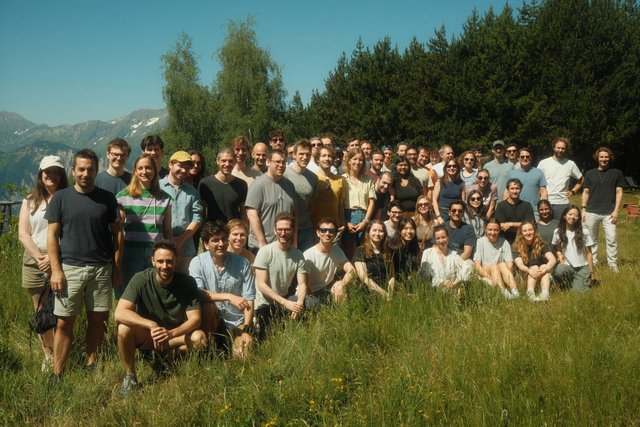

SaaS solutions for a sustainable and efficient maritime industry.
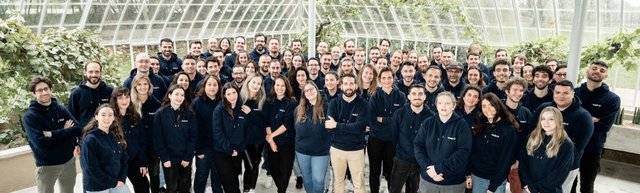

Plateforme d'automatisation des contrôles des coordonnées bancaires.


Cabinet d'audit et de conseil pour transformations durables.
Cabinet d'audit et de conseil pour transformations durables.
Cabinet d'audit et de conseil pour transformations durables.
Cabinet d'audit et de conseil pour transformations durables.


Partenariat mondial pour une IA d'intérêt général et inclusive.


Construction d'infrastructures, bâtiments et aménagements urbains.
Construction d'infrastructures, bâtiments et aménagements urbains.
Construction d'infrastructures, bâtiments et aménagements urbains.
Construction d'infrastructures, bâtiments et aménagements urbains.


Mode éthique et créative inspirée par la culture et l'artisanat.


Mode responsable et durable avec un engagement éthique.
Mode responsable et durable avec un engagement éthique.
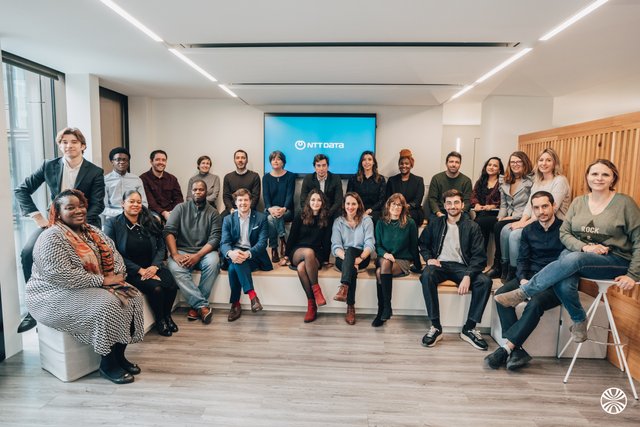

Business and technology services for innovation and transformation.
Business and technology services for innovation and transformation.
Business and technology services for innovation and transformation.
Global accounts built for ambitious businesses
Everything you need to grow globally in a single platform.

Mountain Warehouse is the UK’s largest outdoor retailer, with over 420 stores worldwide and 11 websites serving more than five million outdoor-loving customers each year.
Founded in 1997 by entrepreneur Mark Neale, the business started with a simple idea that everyone should have access to the outdoors. Today, we provide great quality, affordable outdoor clothing and equipment for the whole family, covering everything from hiking and camping to running, cycling and skiing.
We have a vibrant, busy office full of great people. There are loads of opportunities to get involved in projects away from your day to day and plenty of opportunity for growth across all departments. If you think you have what it takes to join the Mountain Warehouse adventure check out our Current Vacancies.

Smart fitness technology for gyms

Direct-to-consumer credit provider

Business development platform

Cloud-based communications APIs

Talent development software so people can do their best work

Global consulting firm

Video game development and publishing
The work and labour market in the UK is a complex and dynamic environment, shaped by a variety of factors including economic trends, technological advancements, and governmental policies. Here’s an overview of its key aspects:
The UK economy, being one of the largest in the world, has a highly developed and market-orientated system. The service sector dominates, contributing around 80% of GDP, with financial services being particularly important. The industrial and manufacturing sectors, though smaller than in the past, remain significant. The UK is also a global centre for creative and digital industries.
Employment rates in the UK have historically been relatively high compared to other major economies, with a significant shift towards service-oriented jobs over the last few decades. The employment landscape is also characterised by a growing gig economy, with an increase in freelance, contract, and part-time work. This shift reflects broader global trends towards more flexible working arrangements.
Technology has a profound impact on the UK labour market, leading to both job creation in new industries (such as AI, fintech, and renewable energy) and job displacement in others due to automation. The digital economy is booming, requiring a workforce skilled in digital literacy, coding, and data analysis.
Government policies in the UK play a crucial role in shaping the labour market. These include minimum wage laws, regulations regarding working hours and conditions, and support for unemployed individuals. The government also offers various training and education programmes to help workers adapt to changing job market needs.
The UK labour market faces several challenges, including skill shortages in certain sectors, the need for retraining workers displaced by technology, and addressing the gender pay gap. Brexit has also introduced uncertainties, particularly in terms of the availability of skilled workers from the EU.
However, there are significant opportunities, especially in emerging sectors like green energy, technology, and the creative industries. The government and private sector are increasingly focusing on upskilling and reskilling initiatives to prepare the workforce for future challenges.
The COVID-19 pandemic has had a significant impact on the UK labour market, leading to job losses in sectors such as hospitality, travel, and retail. However, it has also accelerated trends towards remote working and digitalisation, with potential long-term effects on work patterns and office culture.
The UK work and labour market is evolving rapidly, driven by technological change, globalisation, and policy decisions. While challenges exist, the focus on innovation, skills development, and flexible working arrangements offers a pathway to adapting successfully to these changes.